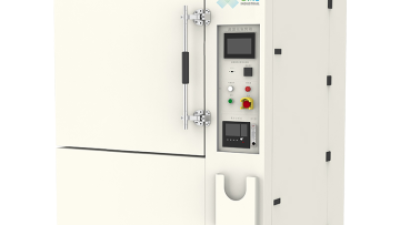
In today’s super competitive market, picking the right Clean Room Oven for your business is more important than ever. These aren’t just tools—they’re crucial for keeping your products up to standard. Whether you’re in pharma, electronics, or biotech, having the right oven makes all the difference in ensuring your processes meet those tight guidelines.
Now, I know choosing a Class 100 Clean Room Oven can feel a bit overwhelming. Every industry has its own specific needs, and sometimes, the available options don’t perfectly fit what you’re looking for. It’s easy to overlook key features that really impact how well the oven works or whether it’ll keep you in compliance. Think about things like energy use, size, and how easy it is to operate the oven. Also, consider how well a particular model lines up with your actual production processes.
Taking the time to really understand the specs of different Clean Room Ovens is so worth it. Your choice doesn’t just affect the quality of your products—it can also make your operations smoother and more efficient. Chatting with manufacturers or industry pros can give you some really valuable insights too. Each oven has its pros and cons, so weighing these carefully will really help your business stay on top and grow.
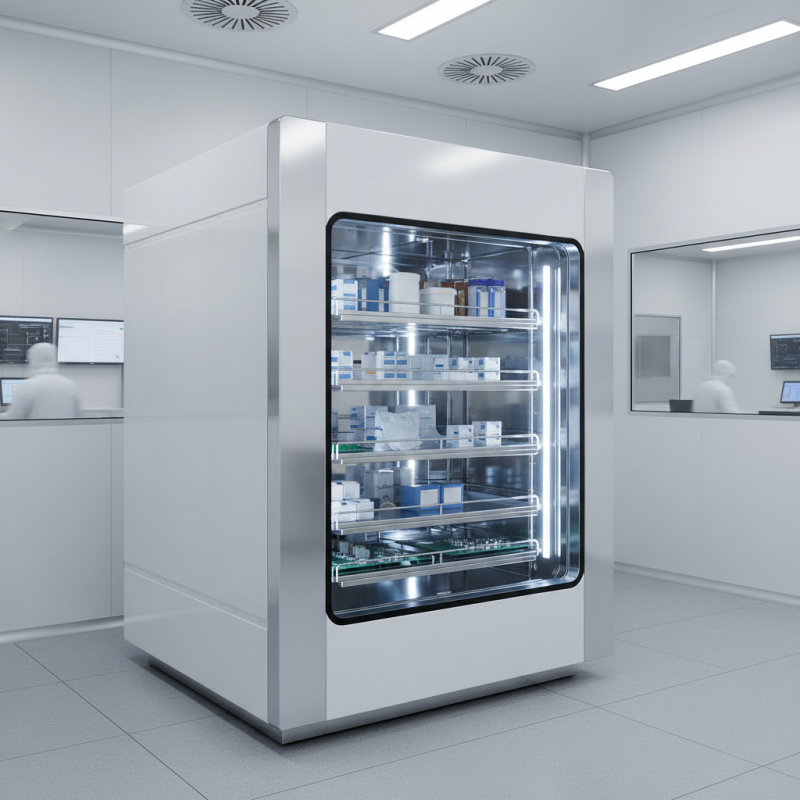
Understanding Clean Room Ovens and Their Importance in Industries
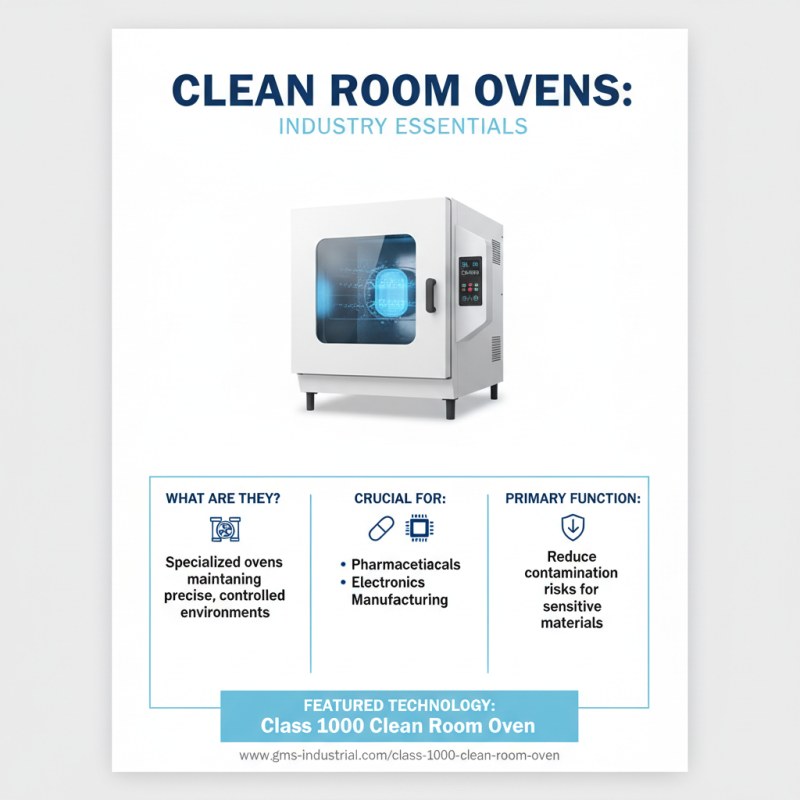
Clean room ovens play a crucial role in various industries, particularly in pharmaceuticals and electronics. These specialized ovens are designed to maintain precise environmental conditions. They reduce contamination risks during manufacturing processes. A Class 1000 Clean Room Oven exemplifies this technology, offering a controlled atmosphere for sensitive materials.
When selecting an oven, consider the application requirements. Temperature uniformity and stability are essential to ensure product quality. A well-maintained oven minimizes contamination, enhancing operational efficiency. However, not all clean room ovens deliver the same performance. You may find some models struggle with maintaining consistent conditions. It's vital to assess your technology needs thoroughly.
Investing in a clean room oven is a significant decision. It impacts production efficiency and product reliability. To make an informed choice, understand your specific requirements. Engage with experts in the field who can provide insights. Their experience can guide you toward the best solution for your business needs.
Key Features to Consider When Choosing a Clean Room Oven
When selecting a clean room oven, certain key features demand your attention. Temperature uniformity is paramount. A consistent range ensures that your products are processed evenly. Look for models that offer precise temperature control. This aspect is critical for industries like pharmaceuticals and electronics.
Another important feature is airflow management. Proper airflow prevents contamination, promoting a clean environment for your materials. Check if the oven has HEPA filters. These filters trap particles, maintaining the integrity of your workspace.
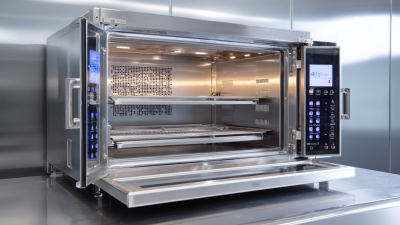
Additionally, consider the oven's material and design. Stainless steel is preferred for easy cleaning and durability. However, not all models may meet your needs. Examine whether the design fits your workflow. Lastly, reflect on the ease of calibration and maintenance. Regular upkeep can be a hassle. Make sure you can access support and service easily.
Selecting the right oven is a process. You may need to rethink your requirements based on these features.
Types of Clean Room Ovens: Which One Fits Your Needs?
Choosing the right clean room oven can significantly impact your business operations. There are various types of clean room ovens, each suited for different applications. For example, there's the Automatic Clean Room Conveyor Oven. This type is ideal if you require consistent, high-throughput performance. It allows for seamless integration into production lines, minimizing contamination risks.
Another option is the batch clean room oven, perfect for smaller production runs. It's versatile and can handle different materials. However, its efficiency can be less compared to conveyor ovens. Balancing your specific needs with the oven's capabilities is crucial.
Consider your environment. Are sterility and precision your top priorities? Each type of oven has trade-offs. For instance, conveyor ovens might be more efficient but could require more space. A direct approach to determining your needs can lead to smarter decisions. Prioritize what matters, and don't hesitate to reassess your choices based on evolving requirements.
Evaluating Temperature Control and Uniformity in Clean Room Ovens
Temperature control and uniformity are crucial in clean room ovens. These factors play a vital role in ensuring product quality and consistency. When selecting an oven, businesses need to evaluate the temperature stability it offers. A slight variation can lead to defective products. Precision in temperature is not just a bonus; it is essential.
Uniformity is another critical element. In a clean room environment, even heat distribution can affect the entire operation. Areas within the oven should reach the same temperature consistently. This minimizes risks, ensuring products undergo uniform processes. A Custom Clean Room Oven might provide the tailored features necessary for specific needs, but it must be rigorously tested for effectiveness.
The selection process is not always straightforward. Companies often struggle to find ovens that meet their unique specifications. It's essential to conduct thorough research and practical assessments. Consulting with experts can guide companies in their choices. In the end, the right clean room oven enhances productivity while ensuring reliability in the results.
Material and Construction: What to Look for in a Clean Room Oven
When selecting a clean room oven, material and construction are crucial. The oven's exterior should be made from stainless steel, ensuring durability and resistance to corrosion. Commonly, clean room environments require materials that minimize particulate generation. Substitutes like aluminum may not meet strict cleanliness standards.
The construction should focus on a seamless design. Joints and seams can trap contaminants. According to a 2021 industry report, ovens with fewer joints significantly reduce particulate contamination. An integrated airflow design contributes to consistent temperatures, essential for sensitive processes. The choice of insulation material also plays a role. High-quality insulating materials can maintain stable internal temperatures while preventing thermal leaks.
Hygienic design elements should not be overlooked. Oven doors must fit securely to avoid leakage. Easy-to-clean surfaces can enhance maintenance routines, essential for compliance with clean room standards. Some might underestimate the impact of these features on operational efficiency. Failure to address construction details may lead to costly downtimes. Therefore, a precise evaluation of materials and design is necessary for a successful clean room oven selection.
What is the Best Clean Room Oven for Your Business Needs? - Material and Construction: What to Look for in a Clean Room Oven
| Feature | Description | Importance |
| Material Used | Stainless steel is preferred for its corrosion resistance and easy cleaning. | High |
| Construction Type | Double-walled construction provides better insulation and temperature uniformity. | Medium |
| Filtration System | HEPA filters are essential for minimizing airborne particles. | High |
| Temperature Range | Important for specific processes, typically between 50°C to 300°C. | High |
| Control System | Digital controls for precise temperature and time settings. | Medium |
| Size and Capacity | Must fit workspace and accommodate product sizes. | High |
Maintenance and Compliance: Ensuring Optimal Performance
Maintaining a clean room oven requires more than routine checks. A well-functioning clean room oven plays a crucial role in controlled environments. According to the International Society for Pharmaceutical Engineering, 95% of clean room failures are linked to inadequate maintenance practices.
Regular maintenance adjustments can directly impact the performance of your clean room oven. It is advisable to schedule a thorough cleaning every three months. This ensures the removal of particulate contamination, which can affect subsequent processes. Keeping temperature calibration within ±1°C is essential. Reports indicate that deviations can lead to product inconsistencies and rejection rates as high as 25%.
Compliance with industry standards, like ISO 14644-1, is critical. These standards dictate the levels of cleanliness required for various sectors. Non-compliance could result in costly penalties and damage to reputation. Investing time in daily monitoring and compliance ensures that your Clean Room Oven Factory meets strict operational standards. However, even the best systems aren't immune to failures. Continuous reflection on operational practices can lead to lasting improvements.
Cost Considerations: Budgeting for Your Clean Room Oven Needs
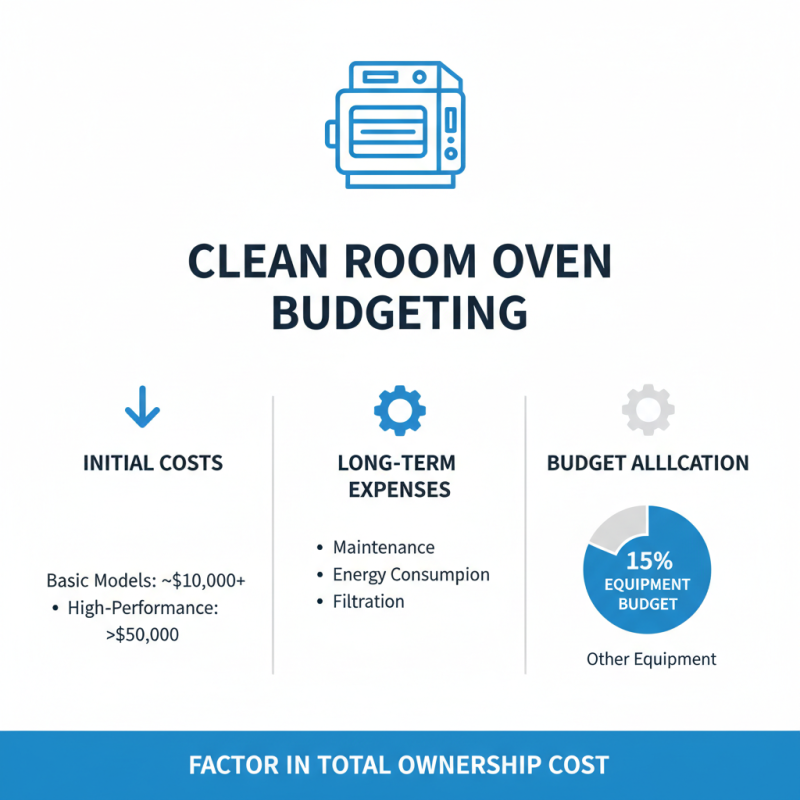
When budgeting for a clean room oven, it's essential to consider both initial costs and long-term expenses. Clean room ovens vary significantly in price. Some basic models start at around $10,000, while high-performance options can exceed $50,000. According to industry reports, most businesses set aside approximately 15% of their equipment budget for clean room ovens. This figure highlights their importance in controlled environments.
Operational costs also contribute to the overall budget. Energy consumption is a major factor; high-efficiency ovens can reduce energy costs by up to 30%. Maintenance is another consideration. Regular servicing can prevent costly breakdowns. Studies show that businesses neglecting maintenance face repair costs that can be twice as high as proactive spending. Additionally, employee training is crucial for optimal use but can add to initial expenses.
Creating a clear budget involves ongoing reflection on your specific needs. Elemental factors include the volume of items processed and the standards required for your operations. Balancing upfront costs with potential savings over time can be challenging. Engaging with industry experts can aid in making informed decisions.
Optimizing the V Debinding Process: The Role of an Ultra-High Temperature Inert Gas Oven
The debinding process in high-end ceramic manufacturing represents a critical step in ensuring the performance and reliability of final products. As manufacturers strive for higher quality and consistency, optimizing this process has become increasingly important. The introduction of an ultra-high temperature Inert Gas Oven offers a solution to overcome the technical challenges associated with the degreasing phase. By creating a precision atmosphere-protected environment, this innovative baking equipment enables controlled removal of organic carriers without compromising the integrity of ceramic green bodies.
Research in the field highlights that the removal of organic binders is essential for the subsequent sintering stage, which significantly influences the mechanical properties and overall quality of the ceramic components. According to industry reports, improper debinding can lead to defects such as cracks or warping, resulting in a decreased yield rate of up to 30% in some cases. By utilizing a highly controllable heat treatment furnace, manufacturers can achieve a safe and thorough debinding process, thereby enhancing sintering quality and maximizing material utilization.
Moreover, the development of new heat treatment technologies reflects a broader trend towards automation and precision in ceramics production. Data from recent market analyses indicate that optimized debinding processes will contribute to a projected growth of over 5% annually in the advanced ceramics sector. As the demand for high-performance ceramics continues to rise, investing in state-of-the-art debinding equipment will be crucial for companies aiming to maintain competitiveness and innovate within the market.
FAQS
: Stainless steel is recommended for durability and corrosion resistance. Avoid aluminum as it may not meet cleanliness standards.
Seamless designs help reduce contaminants by eliminating traps where particles could accumulate. Fewer joints mean less contamination.
An integrated airflow design ensures consistent temperatures, which is crucial for sensitive processes inside clean rooms.
Oven doors must fit securely to prevent leaks. Easy-to-clean surfaces aid maintenance and compliance with cleanliness standards.
A thorough cleaning is recommended every three months to remove contaminants that could affect other processes.
It's important to keep temperature calibration within ±1°C to avoid inconsistencies and potential rejection rates of products.
Compliance with standards like ISO 14644-1 prevents penalties and protects your reputation. It ensures cleanliness as per sector requirements.
Poor maintenance can lead to failures, with up to 95% of clean room failures linked to these practices. This may cause costly downtimes.
Overlooking important design features can lead to inefficiencies and increased downtime. Evaluation of construction details is essential.
Yes, consistent reflection and adjustments on practices can lead to improvements and enhance overall performance of the clean room oven.
Conclusion
When selecting a Clean Room Oven for your business, it's essential to understand its significance across various industries, particularly in environments requiring strict cleanliness and controlled conditions. The article outlines critical factors to consider, such as key features, types of ovens available, and the importance of temperature control and uniformity.
Moreover, material construction plays a significant role in the durability and reliability of a Clean Room Oven, while proper maintenance and adherence to compliance standards are crucial for optimal performance. Finally, budgeting effectively for your Clean Room Oven is necessary to balance quality and cost, ensuring that you make a sound investment tailored to meet your unique operational needs.