When it comes to heat treatment, picking the right equipment is kind of a big deal. Dr. John Smith from Thermal Solutions Inc., who really knows his stuff, points out, “A good Annealing Ovencan seriously change the game in how your metal parts turn out.” It’s a reminder just how important the Annealing Oven is in improving the quality of materials by carefully controlled heating.
This type of oven doesn’t just make metals look better; it actually refines their internal structure, making them more ductile and tough. But here’s the thing — a lot of manufacturers kind of overlook how crucial it is to get the temperature just right. If it’s off, parts can warp or get damaged, which nobody wants. When you do it right, though, your components tend to last longer and perform better.
Thinking about investing in an Annealing Oven? It’s not just about the upfront cost—there’s also the potential savings from fewer reworks and less waste. Honestly, many companies underestimate how big of a difference a high-quality oven can make on their profits. Looking back at past projects, it’s clear that recognizing areas for improvement, especially in heat treatment, is key. So, it’s definitely worth taking the time to evaluate your actual needs before making a decision. Making an informed choice now can save you a lot of trouble (and cash) down the road.
Benefits of Using an Annealing Oven in Heat Treatment Processes
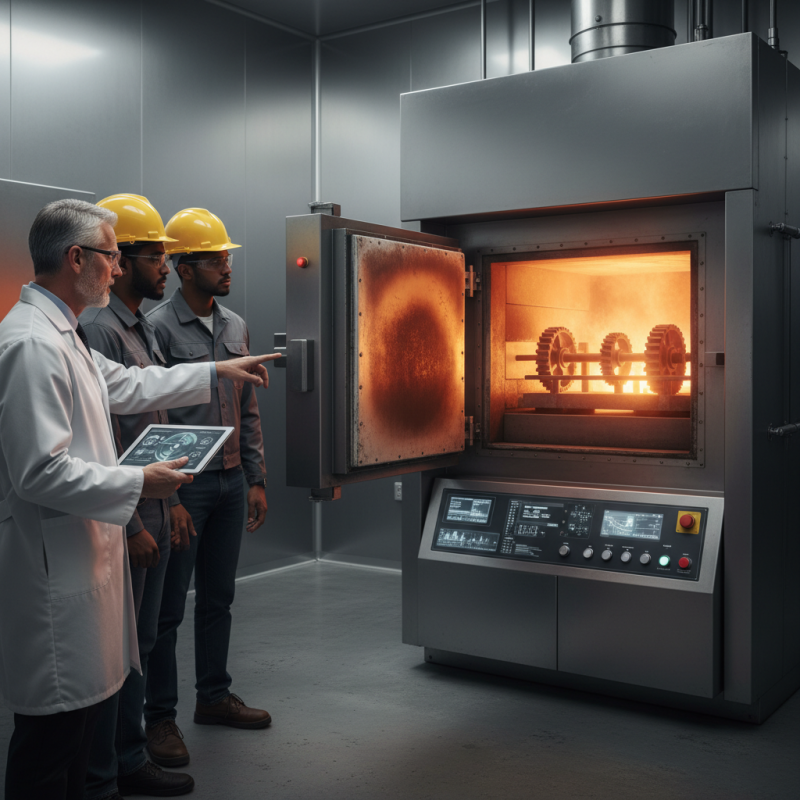
Annealing ovens are essential in heat treatment processes. They provide controlled heating and cooling, which is crucial for achieving desired material properties. These ovens help in relieving internal stresses, increasing ductility, and ensuring uniformity in metal components.
Using a Small Annealing Oven can be particularly beneficial for smaller operations or workshops. Such ovens require less space and can be more energy-efficient. They allow precise temperature control, which can lead to better outcomes in metalwork. However, owners should regularly check calibration to avoid inconsistencies in results.
Moreover, while annealing enhances material performance, it’s vital to monitor the duration and temperature carefully. Overheating can lead to undesirable changes. Therefore, reflecting on process parameters is essential. A Small Annealing Oven can offer great flexibility, butoversight is key to achieving the best results.
Key Features of Annealing Ovens That Enhance Performance
When considering heat treatment for metals, an annealing oven can be a game changer. These ovens provide precise temperature control and uniform heat distribution, which are critical for effective annealing. According to recent industry reports, about 75% of manufacturers experience improved material properties when using high-quality annealing ovens.
Key features of annealing ovens include advanced thermal profiling capabilities. This allows for gradual heating and cooling, minimizing thermal shock. Users report that maintaining consistent heating rates can reduce warping and residual stresses in metals. Moreover, energy efficiency is a notable advantage. Recent studies indicate that modern ovens can cut energy consumption by up to 40%.
However, not all ovens deliver the same performance. The variability in design and technology can lead to inconsistent results. Some ovens may not maintain stable temperatures throughout the chamber, affecting the quality of final products. Manufacturers must choose their equipment carefully to avoid unnecessary waste and rework. Details matter—minor inconsistencies can result in major defects in the final product. Selecting the right features is essential for ensuring optimal performance and reliability.
Comparison of Annealing Ovens and Other Heat Treatment Equipment
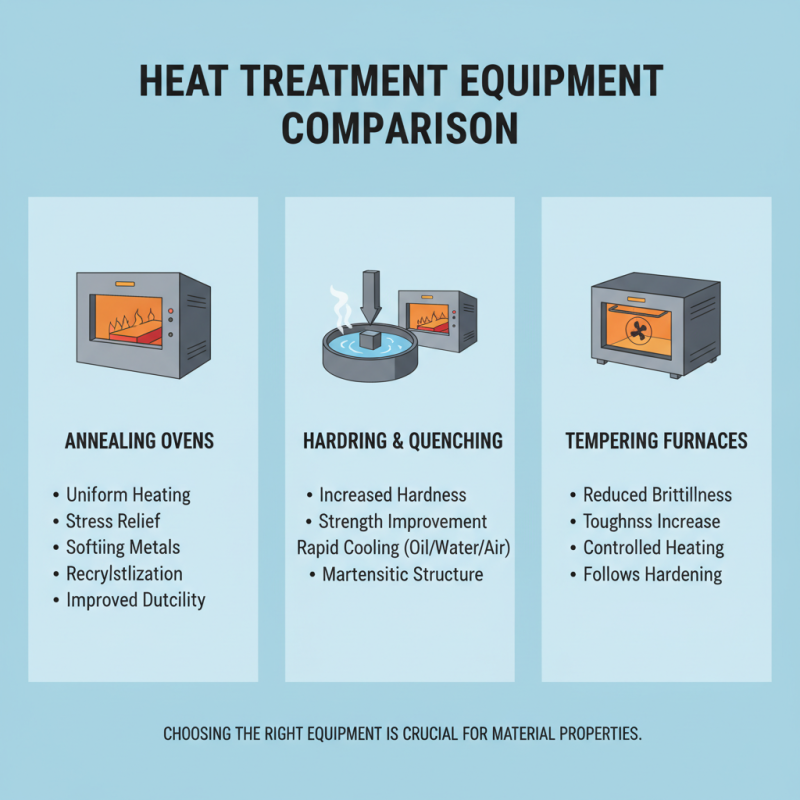
When it comes to heat treatment, choosing the right equipment can be complex. Annealing ovens stand out, offering precision and uniform heating. Unlike other methods, they provide controlled temperature settings. This ensures that materials undergo consistent treatments. The right conditions can enhance the properties of metals and materials significantly.
In contrast, methods like quenching can introduce stress. This is not always desirable. An annealing oven allows for gradual cooling, reducing the chances of warping. Other equipment may lack this finesse, leading to uneven results. A Custom Annealing Oven can be tailored to specific needs, making it a valuable asset. Each oven can accommodate different sized materials, and the flexibility in design caters to diverse applications.
Yet, not every heat treatment process requires an annealing oven. Some situations may call for faster methods. Balancing efficiency and quality is crucial. Assessing specific needs is vital for making the right choice. Sometimes, the best solution is not the most complex one. Understanding these nuances can lead to better outcomes in heat treatment processes.
How Annealing Ovens Improve Material Properties
Annealing ovens play a critical role in enhancing material properties. These ovens provide controlled heating, allowing metals and other materials to relax and relieve internal stresses. By carefully regulating temperature and time, users can achieve desired mechanical properties. This process improves ductility and reduces brittleness, making materials more workable.
In addition to improving strength and flexibility, annealing also enhances grain structure. A finer grain structure often leads to increased toughness. Analyzing the outcome can reveal how material performance changes. Some results might not meet expectations, leading to a deeper investigation of heating times or temperatures chosen. Adjustments may be necessary to find the ideal process for specific materials.
Failure to optimize these parameters can result in subpar outcomes. Testing remains essential in understanding the effects of different treatments. A material’s journey within an annealing oven is not always linear, reflecting the complexity of heat treatment. Each batch can yield unique insights, prompting continuous learning in the process. This ongoing quest for improvement ultimately fosters better material quality.
Best Practices for Operating an Annealing Oven Effectively
Operating an annealing oven requires attention to detail and best practices to achieve optimal results. The environment inside the annealing oven should be controlled carefully. Temperature fluctuations can lead to inconsistent treatments. Regularly calibrate the oven to maintain accuracy. Ensuring even heat distribution is crucial for uniform results. Using quality thermocouples helps in monitoring temperatures.
Loading materials into the annealing oven also needs consideration. Avoid overcrowding the oven. This can restrict airflow and hinder proper heating. Place materials in a way that allows sufficient space for heat to circulate. Frequent inspections during annealing can reveal important insights. Look for signs of uneven coloring or changes in material properties. Adjustments may be necessary to correct issues.
Finally, take the time to document each cycle. This can reveal patterns and help identify failures in the process. Reflection on past treatments can lead to improvement. An efficient way to learn is through collaboration with those in an Annealing Oven Factory. Engaging with others can provide fresh perspectives on processes and challenges. Regular training for staff also ensures everyone is up-to-date with best practices.
Heat Treatment Temperature Ranges for Different Materials
This bar chart illustrates the recommended heat treatment temperature ranges for various materials. Proper annealing can significantly improve the mechanical properties of the materials used in manufacturing processes.
Common Applications of Annealing Ovens in Various Industries
Annealing ovens play a crucial role in various industries, particularly in the metalworking and glass sectors. For metal components, these ovens help relieve internal stresses after machining. This process enhances the structural integrity of alloys, making them more durable. In glass manufacturing, annealing ovens allow for uniform cooling, reducing the risk of cracking or breakage. They ensure the glass is more resilient and maintains its optical clarity.
The aerospace and automotive industries also benefit significantly from annealing ovens. Heat treatment processes improve the mechanical properties of materials used in engine components and structural parts. Optimal heat cycling in these ovens promotes better performance and safety standards. However, not all annealing ovens are created equal. Some may not provide the consistent temperature control required for sensitive applications. It's essential to choose the right model for specific requirements, perhaps from a reputable Annealing Oven Supplier.
In addition, the semiconductor industry utilizes annealing ovens for manufacturing integrated circuits. Here, precise temperature control is vital for achieving the desired electrical properties. Despite their importance, the cost of these ovens can be a barrier for smaller operations. Many struggle to balance the need for quality and budget constraints. Investing in the right technology should not only focus on initial costs but also long-term reliability.
Factors to Consider When Selecting an Annealing Oven for Your Needs
Choosing the right annealing oven can significantly impact your heat treatment process. Consider the size of the oven. Are you working with large components or smaller parts? A correctly sized oven ensures uniform heating. It avoids hot spots, which lead to uneven annealing. Space limitations in your facility may also dictate the dimensions.
Temperature control is another crucial aspect. Look for precise temperature regulation. Inconsistent temperatures can compromise material properties. Inspect the insulation quality as well. A well-insulated oven reduces energy waste and maintains stable temperatures. Don't overlook the heating elements' type. Different materials can affect efficiency and heat distribution.
Energy consumption matters too. High-efficiency ovens can save costs in the long run. Explore automation features that simplify your process. Operators should feel comfortable using the controls. Ergonomics can improve safety and efficiency, but designs sometimes lack user-friendliness. Think about maintenance as well. Regular upkeep is key. Access to components for repairs should be straightforward; otherwise, you might face downtime. Make informed choices based on these factors.
Exploring the Efficiency and Precision of Dual-Chamber High-Temperature Vacuum Ovens: Insights from Industry Technical Reports
Dual-chamber high-temperature Vacuum ovens have become pivotal in various industries due to their efficiency and precision in processing temperature-sensitive materials. These ovens excel at removing residual water, solvents, and volatile compounds, which are crucial for ensuring the integrity of products during drying processes. Reports indicate that vacuum drying can significantly reduce the risk of scaling and oxidation residues—two common issues that can compromise product quality, particularly in sectors like semiconductors and MEMS (Micro-Electro-Mechanical Systems).
Industry technical reports reveal that the controlled environment of dual-chamber ovens allows for optimal temperature regulation, essential for materials that cannot withstand high heat. For instance, a study on the drying characteristics of electronic components illustrated that utilizing a vacuum oven could decrease drying times by 30% while maintaining stringent quality control standards. The ability to operate at varying temperature settings under vacuum conditions guarantees both efficiency and product fidelity.
Moreover, the utilization of high-temperature vacuum ovens in semiconductor manufacturing is critical for achieving the desired surface finishes and material characteristics. Technical analyses show that these ovens operate effectively at temperatures exceeding 200°C while ensuring uniform drying, which mitigates the risk of defects. This precision is particularly vital in applications where even minor inconsistencies can lead to significant performance degradation in electronic devices.
FAQS
: Annealing ovens provide precision and uniform heating, ensuring consistent treatment of materials.
They relieve internal stresses, enhance ductility, and reduce brittleness, making materials easier to work with.
Precise temperature regulation is essential. Inconsistent temperatures can lead to compromised material properties.
No, some processes might require faster methods. Assess your specific needs carefully.
Consider size, temperature control, insulation quality, energy consumption, and maintenance accessibility.
Good insulation reduces energy waste and helps maintain stable temperatures, which is essential for consistent outcomes.
Failure to optimize can lead to subpar results, prompting the need for deeper investigation and adjustments.
Testing helps understand the effects of different treatments, guiding adjustments for material improvements.
Good ergonomics enhance safety and efficiency, but some designs may lack user-friendliness.
Regular upkeep is crucial. Ensure access to components for repairs to avoid unnecessary downtime.
Conclusion
An annealing oven is an essential tool in heat treatment processes, offering numerous benefits such as improved material properties, enhanced performance, and versatility across various industries. These ovens feature precise temperature control and uniform heating, which help optimize the annealing process, resulting in materials with better ductility, reduced stress, and improved overall quality.
When selecting an annealing oven, it's crucial to consider factors such as size, energy efficiency, and cycle time. Understanding the best practices for operating an annealing oven can also greatly enhance its effectiveness. Ultimately, the selection and proper use of an annealing oven can significantly impact production outcomes, making it a valuable investment for any manufacturing operation.