In today’s super competitive world, businesses are really pushing to make their operations cleaner and more efficient. Have you heard of a Plasma Cleaning Machine? It’s become a pretty essential tool across various industries these days. Industry folks are saying that plasma cleaning does a much better job at prepping surfaces—getting rid of dirt and residues in ways traditional methods often can't quite match.
The market for plasma cleaning tech is actually booming. According to Market Research Future, it’s expected to hit around USD 2 billion by 2025. That’s a clear sign that everyone’s after more advanced, reliable cleaning solutions. But let’s be honest—switching to plasma isn’t always smooth sailing. Companies often face hurdles like costs and the learning curve when they bring in new equipment.
I get it—adding a Plasma Cleaning Machine might seem a bit intimidating at first. But in the long run, the benefits can really outweigh those initial hurdles. Things like better adhesion and less contamination—those are just the starting points. Of course, businesses need to carefully think through these pros and cons. The right move can mean longer product life and happier customers in the end.
Plasma cleaning machines offer various benefits for industrial applications. One key advantage is their ability to effectively remove contaminants. This includes grease, dust, and residues that traditional cleaning methods might miss. As a result, surfaces become more suitable for processes like painting or coating. Improved adhesion can save materials and reduce waste.
Furthermore, plasma cleaning is a dry process. This means there is no need for solvents or chemicals. This leads to a safer working environment. Workers are less exposed to harmful substances. However, it's important to recognize that the setup and maintenance of plasma systems require investment and training. Some businesses may find this daunting.
While many industries benefit from plasma technology, some may struggle to adapt. The transition can present challenges. Not every team member may feel comfortable with new techniques. Continuous training and support can help alleviate concerns. Ultimately, recognizing these potential hurdles is essential for maximizing the benefits of plasma cleaning machines.
Plasma cleaning technology has been gaining traction in various industries. It utilizes ionized gas to remove contaminants from surfaces. This method ensures a thorough clean, especially for delicate components. Businesses are drawn to its effectiveness, especially when dealing with electronic parts. One key application is using a Plasma Cleaning Machine For Pcb cleaning. This process enhances adhesion for coatings and soldering.
Understanding plasma cleaning processes requires some technical insights. The technology relies on low-pressure gas that becomes energized. This creates reactive ions that interact with surface impurities. Unlike traditional cleaning, it doesn’t involve harsh chemicals. However, the process is not flawless. Operators may face challenges in achieving uniform results. Surface roughness could vary, affecting overall performance.
Moreover, investing in a plasma cleaning machine for PCB requires careful consideration. The initial cost can be high for some businesses. Training staff to operate the machine effectively is essential. Ignoring these aspects could lead to underutilization of the technology. Balancing efficiency and investment will determine the success of adopting plasma cleaning in operations.
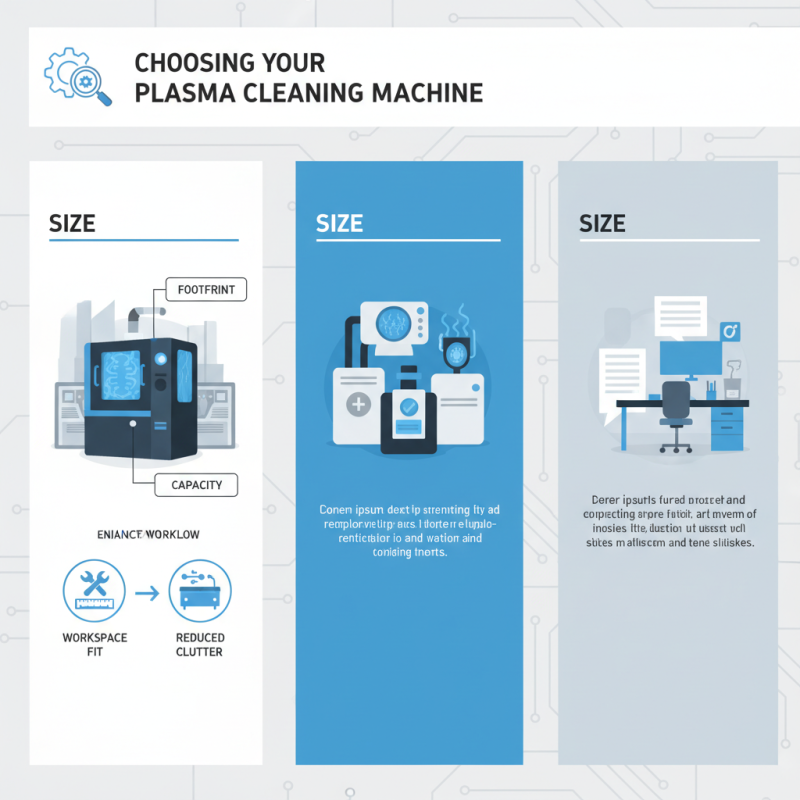
Choosing the right Plasma Cleaning Machine is crucial for your business. Many factors can impact your decision. First, consider the machine's size. It should fit your workspace and efficiently handle your production needs. The right dimensions can enhance workflow and reduce clutter.
The type of materials often cleaned is another factor. Different machines are designed for specific surfaces and applications. Make sure to match the machine's capabilities to the materials you use. Experience shows this alignment can significantly improve the cleaning process.
Tips: Evaluate your current production scale. Do you need a compact model, or can you accommodate a larger system? For example, a Wafer Treatment Plasma Cleaning Machine offers specialized options for delicate materials. Always think ahead; your needs may change over time.
Lastly, consider maintenance requirements. Machines that are too complicated may cause delays in operations. Look for user-friendly options. This balance can save costs in the long run. Reflect on the trade-offs; not every advanced feature is necessary for your unique situation.
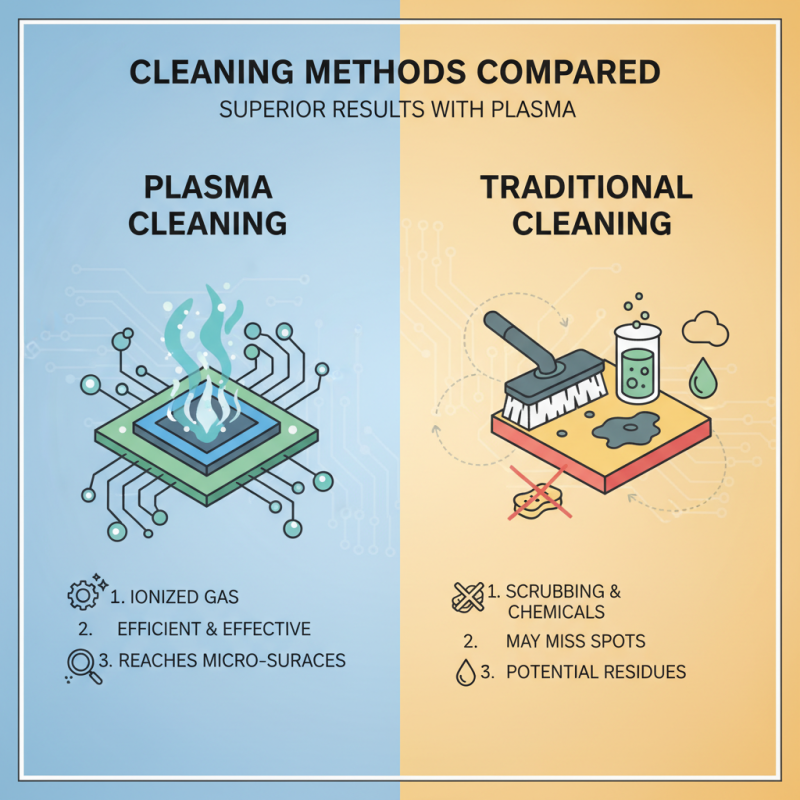
Plasma cleaning machines offer unique advantages over traditional methods. They utilize ionized gas to remove contaminants. This process is efficient and effective. It reaches uneven surfaces and microscopic areas easily. In contrast, traditional cleaning often relies on scrubbing and chemical solutions. These methods can miss hard-to-reach spots and may leave residues.
Moreover, plasma cleaning is environmentally friendly. It reduces the need for harmful chemicals and solvents. Traditional methods can create waste that requires disposal. This can lead to environmental concerns. However, plasma cleaning does require training for operators. Misuse can lead to equipment damage or ineffective cleaning.
Another aspect to consider is cost. Plasma cleaning machines can be an investment. Upfront costs are higher than traditional equipment. Yet, they can save time and labor in the long term. Businesses must evaluate their needs. Transitioning may not be suitable for everyone. It's essential to weigh efficacy against the budget and training required.
Plasma cleaning machines provide significant cost efficiency for businesses. With the use of a Vacuum Plasma Cleaning Machine, companies can achieve clean, contaminant-free surfaces. This technology often leads to lower operational costs over time. Reducing the number of chemical solvents and waste disposal fees can offer considerable savings.
Investing in these machines might seem daunting at first. However, the long-term savings outweigh the initial expenses. Plasma cleaning prolongs the lifespan of components and reduces wear and tear. Some businesses report a noticeable decrease in maintenance costs after switching to plasma technology.
Tips for maximizing efficiency: Monitor the cleaning cycles carefully. Too much cleaning can lead to unnecessary wear on parts. Regularly assess the machine’s performance to ensure optimal operation. Evaluate the cleaning schedule to fit the needs of your production. Adjust frequency as your processes evolve. Adopting this technology is a step forward, but it requires ongoing reflection and adjustment to maximize benefits.
Plasma cleaning technology has made significant strides across various industries. From automotive to electronics, this method enhances surface preparation for better adhesion. It effectively removes contaminants without damaging sensitive materials. For manufacturers, a Lab Plasma Cleaning Machine can increase production efficiency substantially.
In the medical sector, plasma cleaning improves the sterilization process of surgical instruments. Contaminants like oils and residues can compromise cleanliness. Using a Lab Plasma Cleaning Machine ensures surfaces are pristine. However, some users may face a learning curve in optimizing settings for different materials. The variation in performance can lead to inconsistent results if not carefully monitored.
The aerospace industry benefits from plasma cleaning for its lightweight components. Plasma treatment enhances paints and coatings adhesion to aircraft parts. However, some parts are more challenging to clean than others. Operators must adapt techniques based on specific materials. This dynamic process requires ongoing adjustments and can lead to mistakes, urging continuous improvement.
Plasma cleaning technology is evolving rapidly. Businesses are seeing significant shifts in its application. Recent data from the Plasma Processing Industry Association indicates that the global market for plasma cleaning will $1.5 billion by 2025. This growth underscores the increasing importance of clean surfaces in manufacturing processes.
As industries move towards automation, the demand for efficient cleaning methods rises. Traditional methods often fall short in effectiveness and speed. Plasma cleaning offers a solution. It removes contaminants at a microscopic level, ensuring superior adhesion for coatings and enhanced product durability. In fact, 45% of manufacturers report improved product quality after switching to plasma cleaning.
However, some challenges remain. Implementation costs can be high. Small businesses may struggle with these expenses. Training staff is another hurdle that companies need to overcome. Without proper training, even the best machines underperform. In an industry where precision is vital, overlooking training can lead to costly mistakes. Companies must reflect on these aspects as they invest in new technologies.
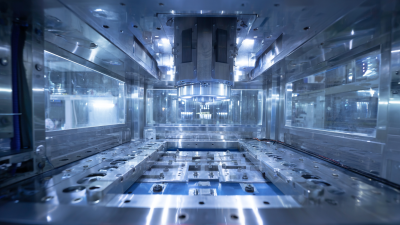
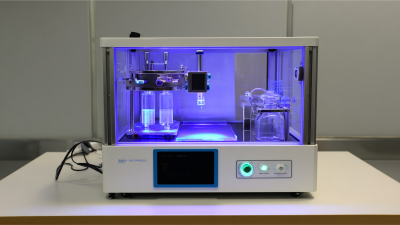
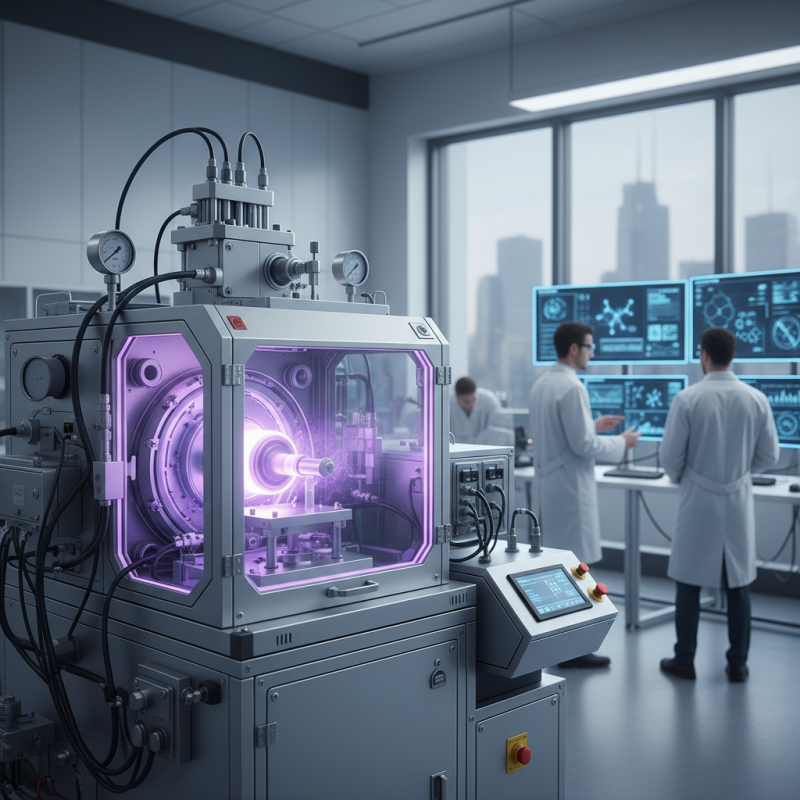
In modern manufacturing processes, the innovative use of plasma surface treatment machines has revolutionized how surfaces are prepared for further processing. These machines typically consist of a vacuum chamber, high-frequency plasma power supply, vacuum system, inflation system, and an automated control system, enabling manufacturers to achieve optimal surface conditions for diverse applications. According to industry reports, the plasma treatment market is expected to witness significant growth, propelled by the increasing demand for cleaner and more effective surface treatments in sectors such as automotive and electronics.
Operating under a vacuum state of 0.15-0.3 mbar, these systems ionize gases using high-frequency generators to create plasma, the fourth state of matter. The plasma interacts with the surfaces of various materials, effectively cleaning and activating them by removing contaminants and promoting better adhesion. This ability to handle oddly shaped parts consistently makes plasma systems exceptionally versatile in manufacturing environments. As reported by technical studies, the enhanced bonding strength achieved through plasma treatments can increase the durability and performance of coated products by up to 30%, making them pivotal in high-stakes applications.
The deployment of plasma surface treatment machines not only enhances product quality but also improves efficiency in production lines. By integrating automatic control systems, manufacturers can achieve precise treatment parameters consistently, reducing downtime and minimizing waste. As the demand for high-performance materials continues to rise, the adoption of plasma treatment technologies is likely to expand further, solidifying their role as indispensable tools in modern manufacturing processes.
: The article discusses various strategies for personal development and improvement.
Setting specific goals helps. Finding a support system is essential.
Discipline creates consistency, promoting long-term success in personal growth.
Self-reflection aids in identifying strengths and weaknesses. It encourages growth.
Regular practice, like weekly, is beneficial. Adjust based on your needs.
Yes, start small. Replace one bad habit with a positive one.
It's normal. Reevaluate your methods and adjust your goals as needed.
Setbacks can be tough. They offer lessons and opportunities for growth.
Seek online communities or local groups. Connection can lead to motivation.
Perfection is an illusion. Focus on progress instead and embrace imperfection.
A Plasma Cleaning Machine offers numerous advantages for businesses aiming to enhance their cleaning processes. These machines utilize advanced technology to effectively remove contaminants from surfaces, making them ideal for industrial applications. The article discusses key factors to consider when selecting a plasma cleaner, including the specific requirements of your industry and the benefits of plasma versus traditional methods.
Additionally, it highlights the cost efficiency and long-term savings associated with adopting plasma cleaning solutions. Various industries, from automotive to electronics, are embracing this technology for its effectiveness and reliability. Looking ahead, the future trends in plasma cleaning technology promise further advancements, positioning plasma cleaning as a crucial element in maintaining competitive business operations. By integrating a Plasma Cleaning Machine, companies can expect improved cleaning quality and operational efficiency.