Leave Your Message
Hey there! Nowadays, the industrial world is really changing fast, and you know what? Surface treatment has become super important for making products perform better across all sorts of fields. Whether it's about slowing down corrosion or just making something look nicer, the perks of great surface treatment are just too good to ignore.

Here at Shenzhen Gezhi Industry Co., Ltd., where we’re all about manufacturing and selling Industrial ovens and gear for electronic components, we totally get how essential top-notch surface treatment techniques are, especially in areas like LED optoelectronics, SMT/SMD, and semiconductors.
So, in this blog, we’re excited to share how ten key industries are using cutting-edge surface treatment methods to really up their game in efficiency and product quality. Come along with us as we dive into the amazing ways that surface treatment is shaping performance and driving innovation!
You know, surface treatment has really become a big deal in today’s industrial world. It's super important for boosting how well products perform and how long they last. Whether you're talking about cars or airplanes, the use of advanced surface treatments has led to some seriously impressive improvements in durability, corrosion resistance, and even how good things look. It’s not just about keeping materials safe; it’s really about making sure products work well and can handle all the tough demands of the market these days.
So, if an industry is thinking about jumping into surface treatment processes, there are a couple of things to keep in mind. First off, choosing the right treatment method is key—whether you're going with anodizing, electroplating, or some kind of coating. Each of these has its own perks that fit different materials and uses. Then, there's the whole thing about keeping up with regular maintenance and checking on the treatments to avoid any deterioration. This can save a ton of time and resources in the long run. And, of course, staying in the loop about the latest and greatest in surface treatment technologies can really give industries an edge, letting them innovate and boost performance and efficiency.
All in all, if industries take the plunge into effective surface treatment strategies, they can see some serious payoffs in a bunch of areas. By appreciating the huge role surface treatment plays in improving product quality and making operations more efficient, companies can really tap into its potential to drive change and achieve fantastic results. 
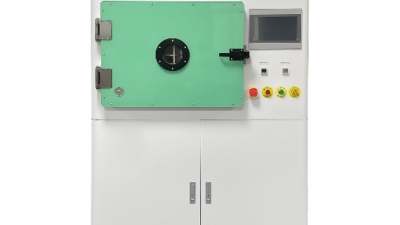
Enhancing product quality and adhesion is a critical focus in modern manufacturing, where the integrity of surface treatments can significantly influence the performance and durability of products. Plasma surface treatment machines play an essential role in this process, utilizing cutting-edge technology to elevate standards across various industries. The equipment primarily consists of components such as a vacuum chamber, high-frequency plasma power supply, vacuum system, and automatic control system. When operating, the machine achieves a vacuum of 0.15-0.3 mbar using advanced vacuum pumps, followed by ionization of gas through a high-frequency generator, generating plasma to treat the workpiece surface.
According to a report by MarketsandMarkets, the global plasma treatment market is projected to grow significantly, driven by increasing demand for enhanced adhesion properties in manufacturing processes. Plasma treatment systems, particularly those designed as handling machines, provide exceptional versatility and efficiency, enabling consistent performance in challenging manufacturing environments. They effectively clean and activate the surfaces of even oddly shaped components, ensuring optimal adhesion for coatings, adhesives, and other surface treatments. As industries increasingly pivot towards automation and precision, plasma technology stands out as an indispensable tool for manufacturers seeking to boost product quality and reliability.
Furthermore, utilizing plasma surface treatment not only improves adhesion but also contributes to sustainability initiatives in manufacturing by reducing the need for harsh chemicals typically associated with surface preparation. This innovation aligns with the growing trend of environmentally conscious production, marking a substantial shift in how surface treatments are approached in the industry. Plasma surface treatment machines are thus an invaluable asset for manufacturers aiming to excel in quality and efficiency in an increasingly competitive market.
: Surface treatment enhances the performance and longevity of various products, improving durability, corrosion resistance, and aesthetic appeal.
Each treatment method, such as anodizing, electroplating, or coating, has specific benefits tailored to different materials and applications, making the right choice crucial for optimal performance.
Regular maintenance and assessment can prevent deterioration and prolong product life, leading to savings in time and resources.
The surface treatment industry is experiencing a technological revolution with a growing market for advanced equipment, such as plasma surface treatment, driven by demand for enhanced performance.
Plasma technology improves bonding, adhesion, and resistance properties of materials, making it pivotal for industries like automotive, healthcare, and electronics.
Innovative surface treatments, such as plasma technology, reduce waste and environmental impact while enhancing durability and functionality.
Staying updated on the latest advancements in surface treatment technologies can provide a competitive edge and facilitate innovations that enhance performance and efficiency.
The global plasma surface treatment equipment market is expected to grow from $394 million in 2025 to $576.8 million by 2032, indicating a compound annual growth rate of 5.6%.
Effective surface treatment strategies significantly enhance product quality and operational efficiency, enabling industries to achieve remarkable results.
The push towards sustainable practices is reshaping surface treatment technologies by requiring high-performance materials that also minimize environmental impact.